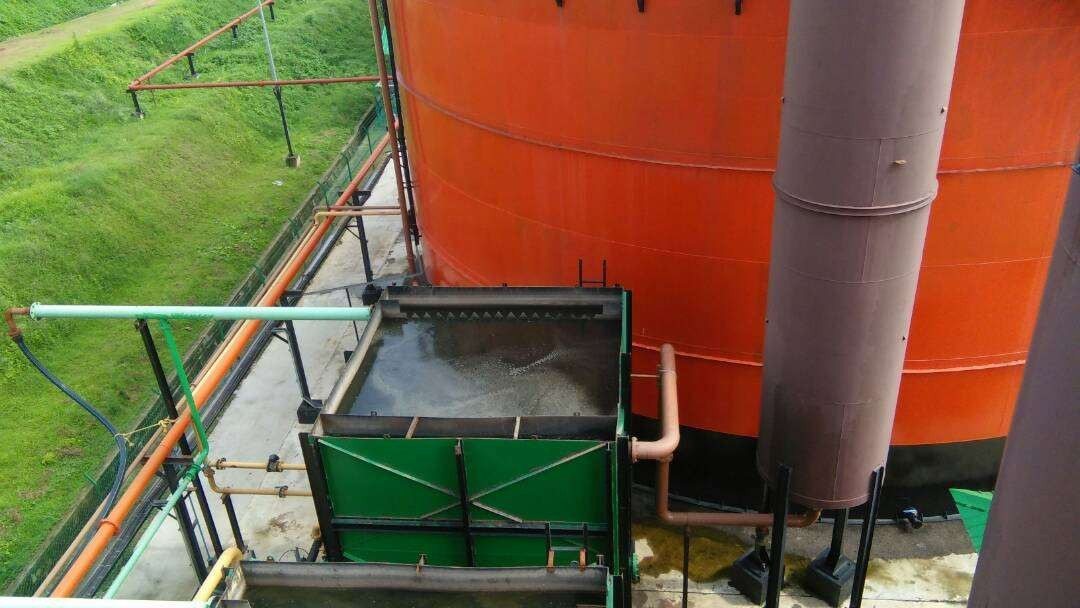
Compressed biogas — better known as Bio‑CNG or CBG — is one of the lowest‑carbon transport fuels available, and policy is finally giving it the push it needs. With a new blending mandate arriving, India's CBG sector is shifting from pilot projects to a genuine market.
What is Bio-CNG?
Bio‑CNG is biogas that has been purified and compressed to a methane content of over 90%, giving it properties almost identical to fossil CNG. It is produced by the anaerobic digestion of organic waste — agricultural residues, press mud, spent wash, food waste and energy crops — followed by upgrading and bottling. Because it is made from waste, it has one of the lowest greenhouse‑gas footprints of any vehicle fuel.
The SATAT scheme
The SATAT initiative (Sustainable Alternative Towards Affordable Transportation), launched by the Ministry of Petroleum & Natural Gas in October 2018, set an ambitious target of 5,000 CBG plants producing 15 million tonnes of gas a year. Progress was slow initially — around 100+ plants commissioned against more than 1,000 letters of intent — but the policy scaffolding has since strengthened dramatically. You can see the official framework on the IOCL SATAT overview.
Key takeaways
- Bio‑CNG is >90% methane biogas — a near drop‑in replacement for fossil CNG.
- A Compressed Biogas Blending Obligation begins at 1% in FY 2025‑26, rising to 5% by FY 2028‑29.
- That mandate creates assured demand — the single biggest change in CBG economics.
The game-changer: a blending mandate
The decisive shift is the Compressed Biogas Blending Obligation (CBO). Mandatory blending of CBG into the CNG and PNG network begins at 1% in FY 2025‑26, rising to 3% (FY 2026‑27), 4% (FY 2027‑28) and 5% from FY 2028‑29. For the first time, producers have assured offtake — which transforms the investment case for new plants.
Why industry should pay attention
For agro‑process industries — sugar mills, distilleries, starch and palm‑oil plants — CBG turns a waste‑disposal cost into a revenue stream. The economics rest on three pillars: a free or low‑cost feedstock, assured demand from the blending mandate, and a valuable organic‑fertiliser by‑product from the digestate.
From concept to commissioning
Building a CBG plant is an engineering challenge — feedstock characterisation, the right digester technology (HRCM or HRSB), gas upgrading, and operations. Kaashyap Envergy Infrastructures delivers all of this end‑to‑end. Explore our biogas & Bio‑CNG services and the proprietary technologies behind our plants.