Peer-Reviewed Research

Science Behind Our Technology

Our reactors and treatment systems are built on published, peer-reviewed research carried out with IIT Hyderabad, CSIR-IICT and other institutions — covering continuous bipolar-mode electrocoagulation, high-rate anaerobic digestion, algal-bacterial treatment and industrial effluent recovery. Every paper below opens as a full PDF.
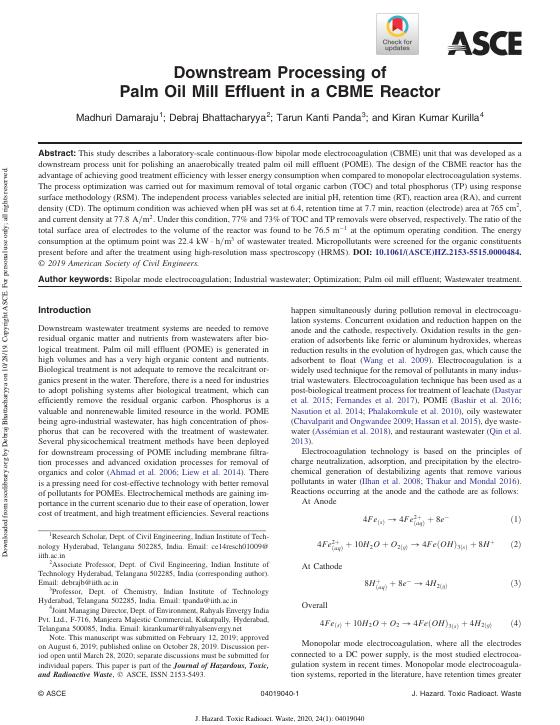
Journal2019 Downstream Processing of Palm Oil Mill Effluent in a CBME Reactor — first page
Journal of Hazardous, Toxic & Radioactive Waste — ASCE

Downstream Processing of Palm Oil Mill Effluent in a CBME Reactor

M. Damaraju, D. Bhattacharyya, T. K. Panda, K. K. Kurilla

Open PDF →
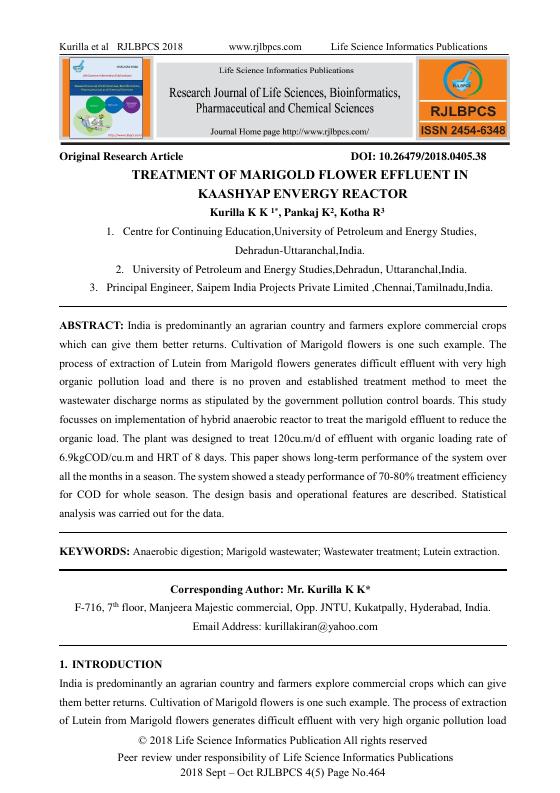
Journal2018 Treatment of Marigold Flower Effluent in Kaashyap Envergy Reactor — first page
Research Journal of Life Sciences (RJLBPCS)

Treatment of Marigold Flower Effluent in Kaashyap Envergy Reactor

K. K. Kurilla, K. Pankaj, R. Kotha

Open PDF →
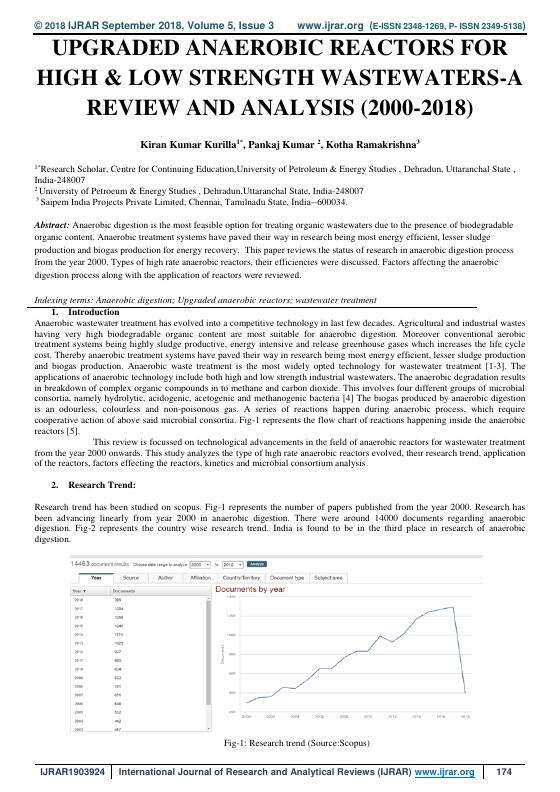
Review2018 Upgraded Anaerobic Reactors for High and Low Strength Wastewaters — first page
Int. Journal of Research & Analytical Reviews

Upgraded Anaerobic Reactors for High & Low Strength Wastewaters — A Review and Analysis (2000–2018)

K. K. Kurilla, P. Kumar, K. Ramakrishna

Open PDF →
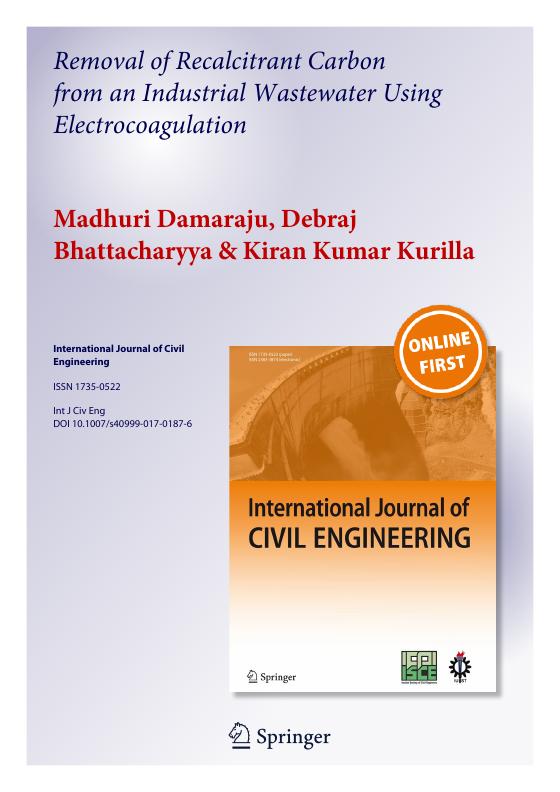
Journal2017 Removal of Recalcitrant Carbon from an Industrial Wastewater Using Electrocoagulation — first page
International Journal of Civil Engineering — Springer

Removal of Recalcitrant Carbon from an Industrial Wastewater Using Electrocoagulation

M. Damaraju, D. Bhattacharyya, K. K. Kurilla

Open PDF →
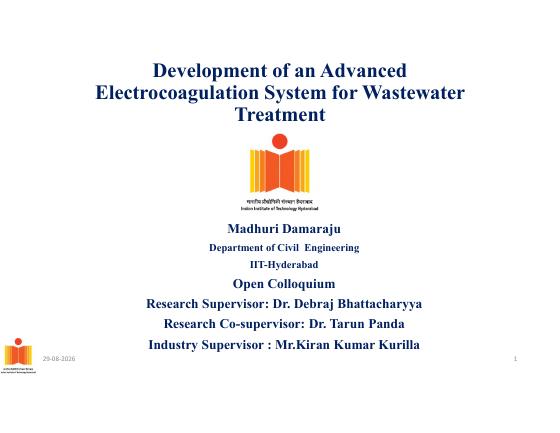
ColloquiumIIT-H Development of an Advanced Electrocoagulation System for Wastewater Treatment — first page
Doctoral Colloquium — IIT Hyderabad

Development of an Advanced Electrocoagulation System for Wastewater Treatment

M. Damaraju · Supervisors: D. Bhattacharyya, T. Panda · Industry Supervisor: K. K. Kurilla

Open PDF →
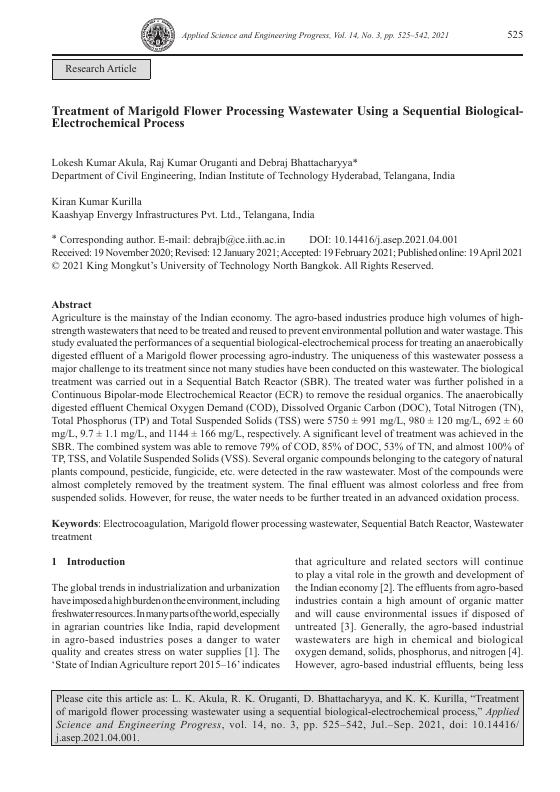
Journal2021 Treatment of Marigold Flower Processing Wastewater Using a Sequential Biological-Electrochemical Process — first page
Applied Science & Engineering Progress

Treatment of Marigold Flower Processing Wastewater Using a Sequential Biological-Electrochemical Process

L. K. Akula, R. K. Oruganti, D. Bhattacharyya, K. K. Kurilla

Open PDF →
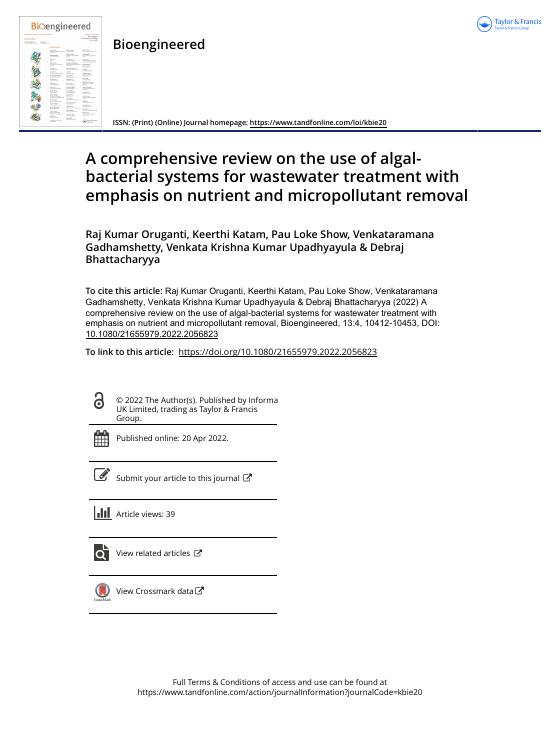
Review2022 A comprehensive review on the use of algal-bacterial systems for wastewater treatment — first page
Bioengineered — Taylor & Francis

A Comprehensive Review on the Use of Algal-Bacterial Systems for Wastewater Treatment, with Emphasis on Nutrient and Micropollutant Removal

R. K. Oruganti, K. Katam, P. L. Show, V. Gadhamshetty, V. K. K. Upadhyayula, D. Bhattacharyya

Open PDF →
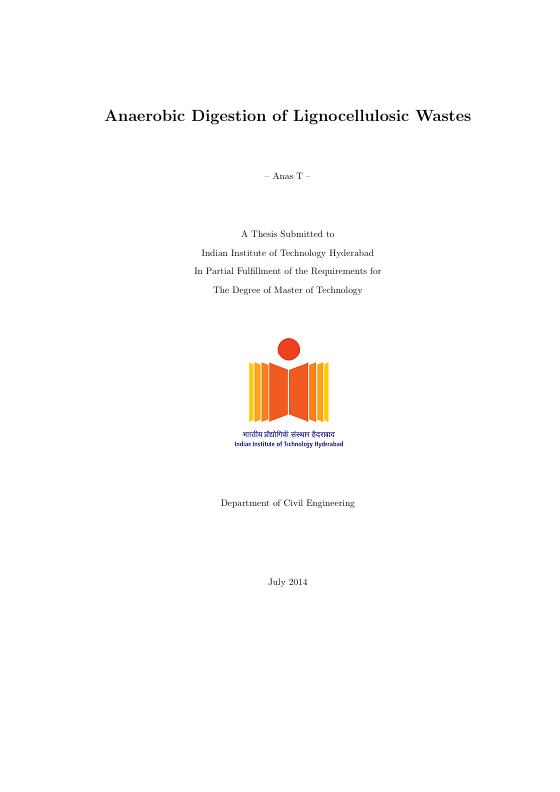
Thesis2014 Anaerobic Digestion of Lignocellulosic Wastes — first page
M.Tech Thesis — IIT Hyderabad

Anaerobic Digestion of Lignocellulosic Wastes

Anas T, Department of Civil Engineering

Open PDF →
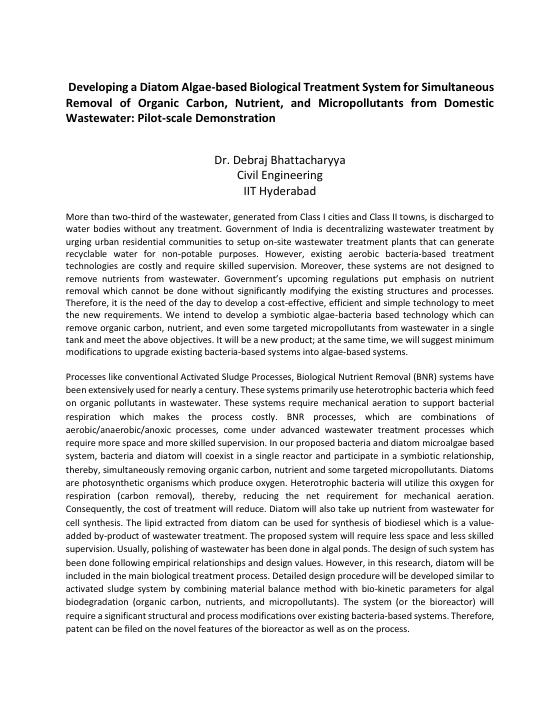
Project2019 Developing a Diatom Algae-based Biological Treatment System — first page
Pilot-Scale Demonstration — IIT Hyderabad

Developing a Diatom Algae-Based Biological Treatment System for Simultaneous Removal of Organic Carbon, Nutrients and Micropollutants

Dr. Debraj Bhattacharyya, Civil Engineering

Open PDF →
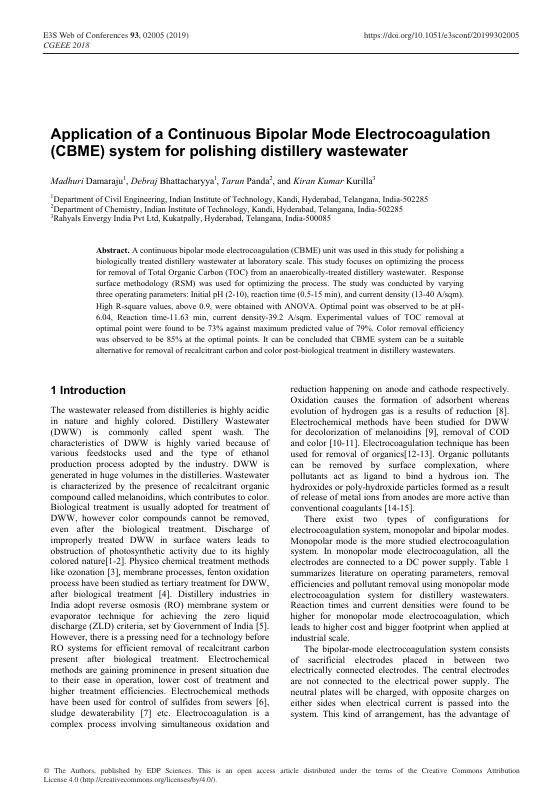
Conference2019 Application of a Continuous Bipolar Mode Electrocoagulation system for polishing distillery wastewater — first page
E3S Web of Conferences — CGEEE

Application of a Continuous Bipolar Mode Electrocoagulation (CBME) System for Polishing Distillery Wastewater

M. Damaraju, D. Bhattacharyya, T. Panda, K. K. Kurilla

Open PDF →
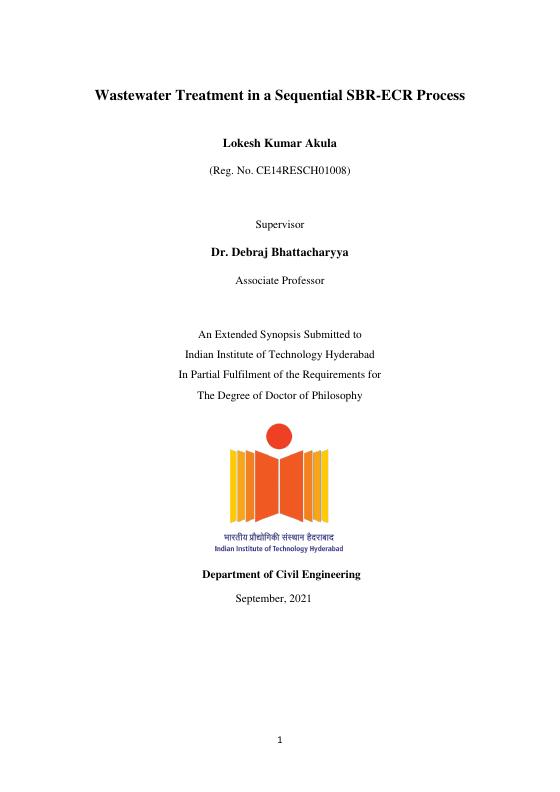
Thesis2021 Wastewater Treatment in a Sequential SBR-ECR Process — first page
Ph.D. Synopsis — IIT Hyderabad

Wastewater Treatment in a Sequential SBR-ECR Process

L. K. Akula · Supervisor: Dr. Debraj Bhattacharyya

Open PDF →
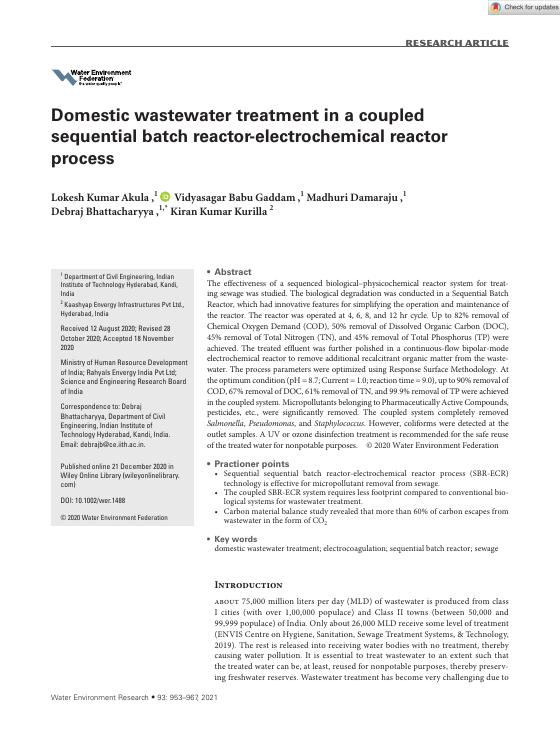
Journal2021 Domestic wastewater treatment in a coupled sequential batch reactor-electrochemical reactor process — first page
Water Environment Research

Domestic Wastewater Treatment in a Coupled Sequential Batch Reactor–Electrochemical Reactor Process

L. K. Akula, V. B. Gaddam, M. Damaraju, D. Bhattacharyya, K. K. Kurilla

Open PDF →

All papers are provided for reference and remain the copyright of their respective publishers and authors. Please cite the original journal when referring to this work.

Want to apply this research to your plant?

Our team translates these findings into full-scale, working infrastructure — from concept to commissioning.

Talk to Our Team →